
PNH logo

Cooperation

Ways we work with partners

Most agricultural relationships fall into one of a few shapes. These are the ones we are set up for, and what each is intended to give the partner on the other side of it.

Cooperation models

Four ways to work with us

Each describes how a relationship is structured rather than a single transaction. Most partners start with one and add another.

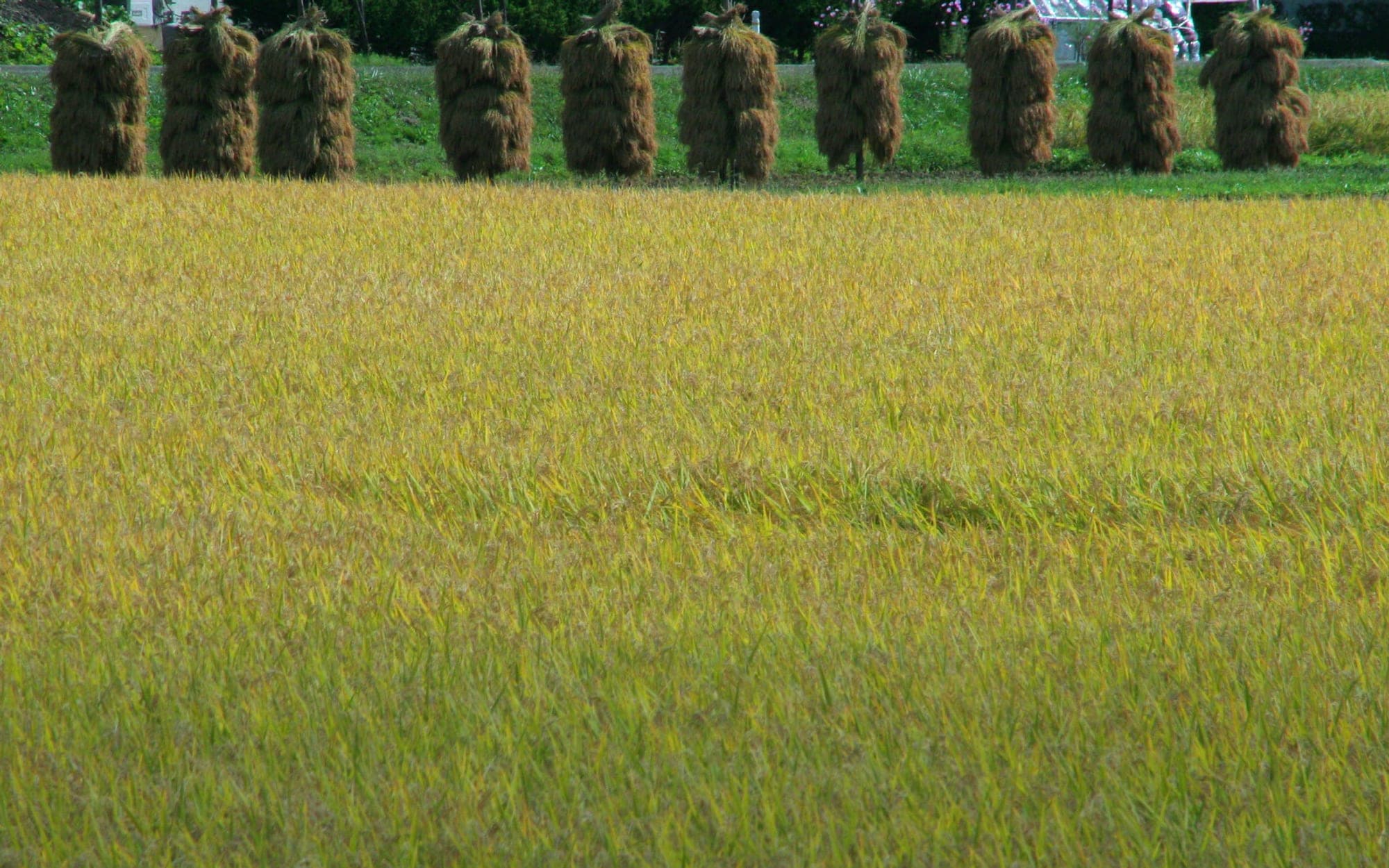
  • Workers harvesting a crop in the field
    Cooperation model

    Seasonal supply programme

    Agricultural production

    Volume and specification agreed ahead of the season, with deliveries scheduled across the supply window rather than negotiated lot by lot.

    Predictable volume and grade across a season, agreed before it starts.
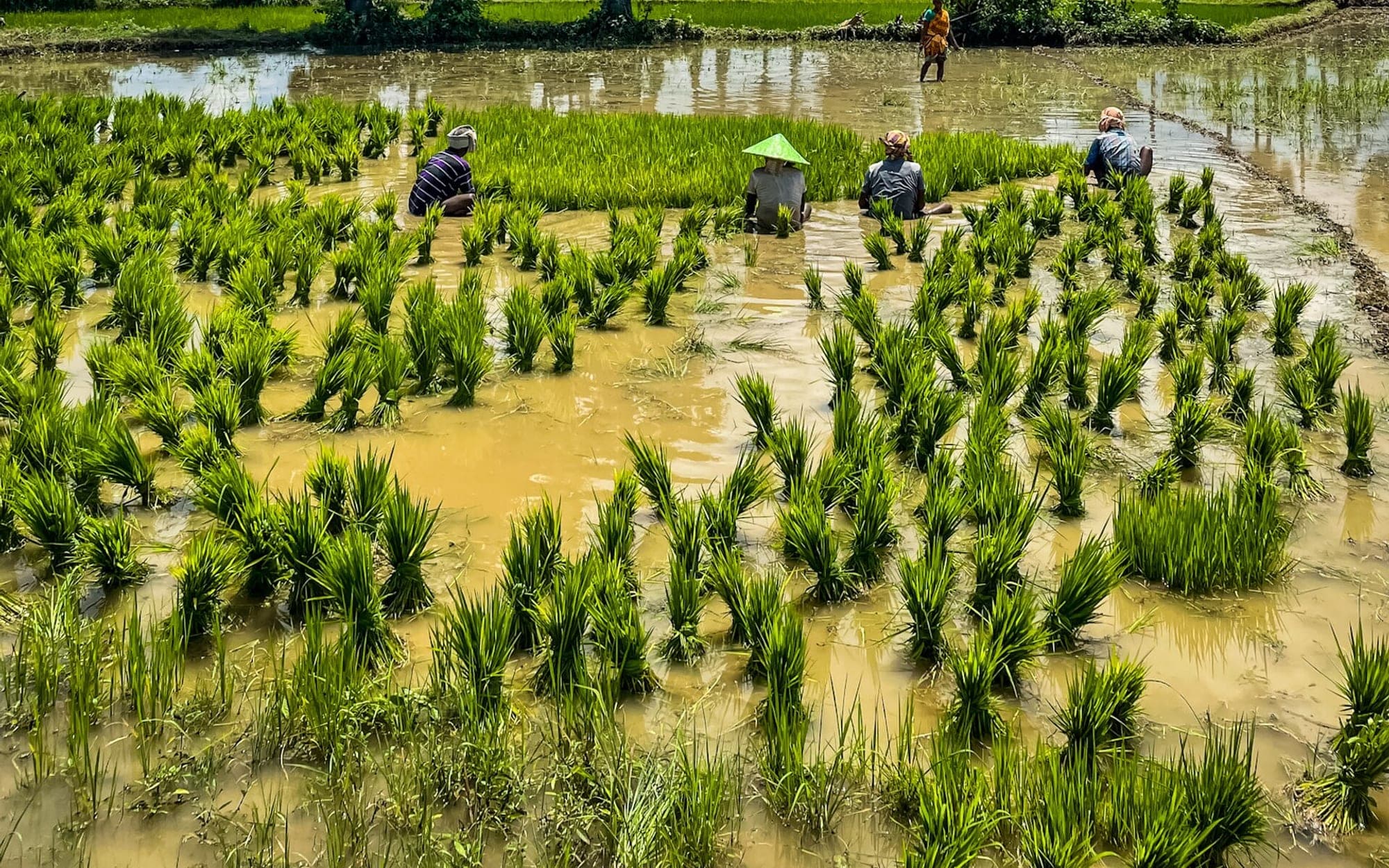
  • Young seedlings growing in cultivated rows
    Cooperation model

    Contract growing cooperation

    Sourcing and supply cooperation

    Planning with growing partners against a buyer requirement — variety, area and harvest timing agreed in advance, with acceptance criteria written down before planting.

    Supply arranged before it is urgent, on terms both sides agreed in advance.

  • Fruit being sorted and graded by size and condition
    Cooperation model

    Grading and packing to a buyer specification

    Post-harvest handling

    Intake inspection, grading by size and condition, and packing to the buyer’s own format and labelling, with lot identification maintained throughout.

    Consignments that arrive in the format and condition the buyer specified.

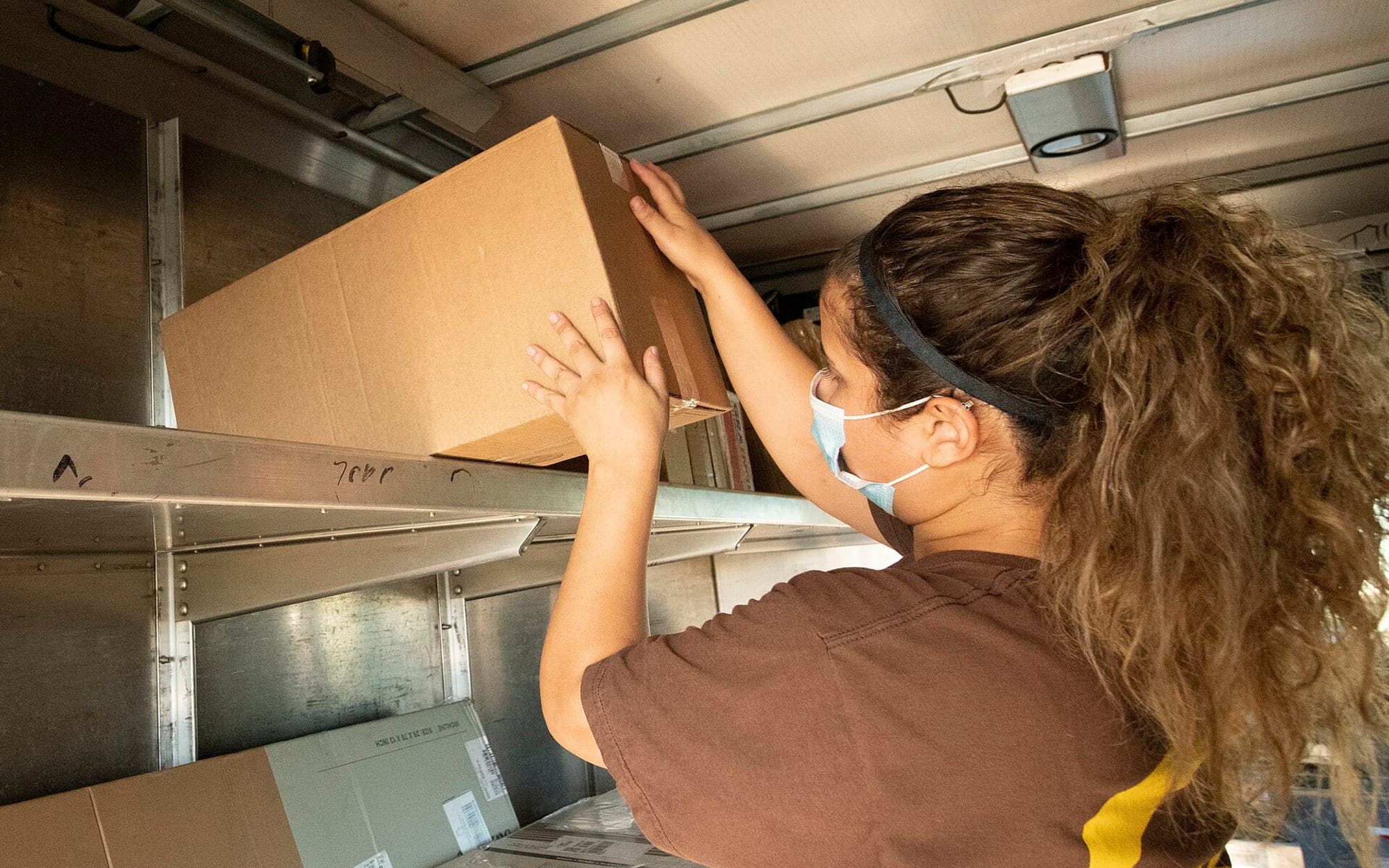
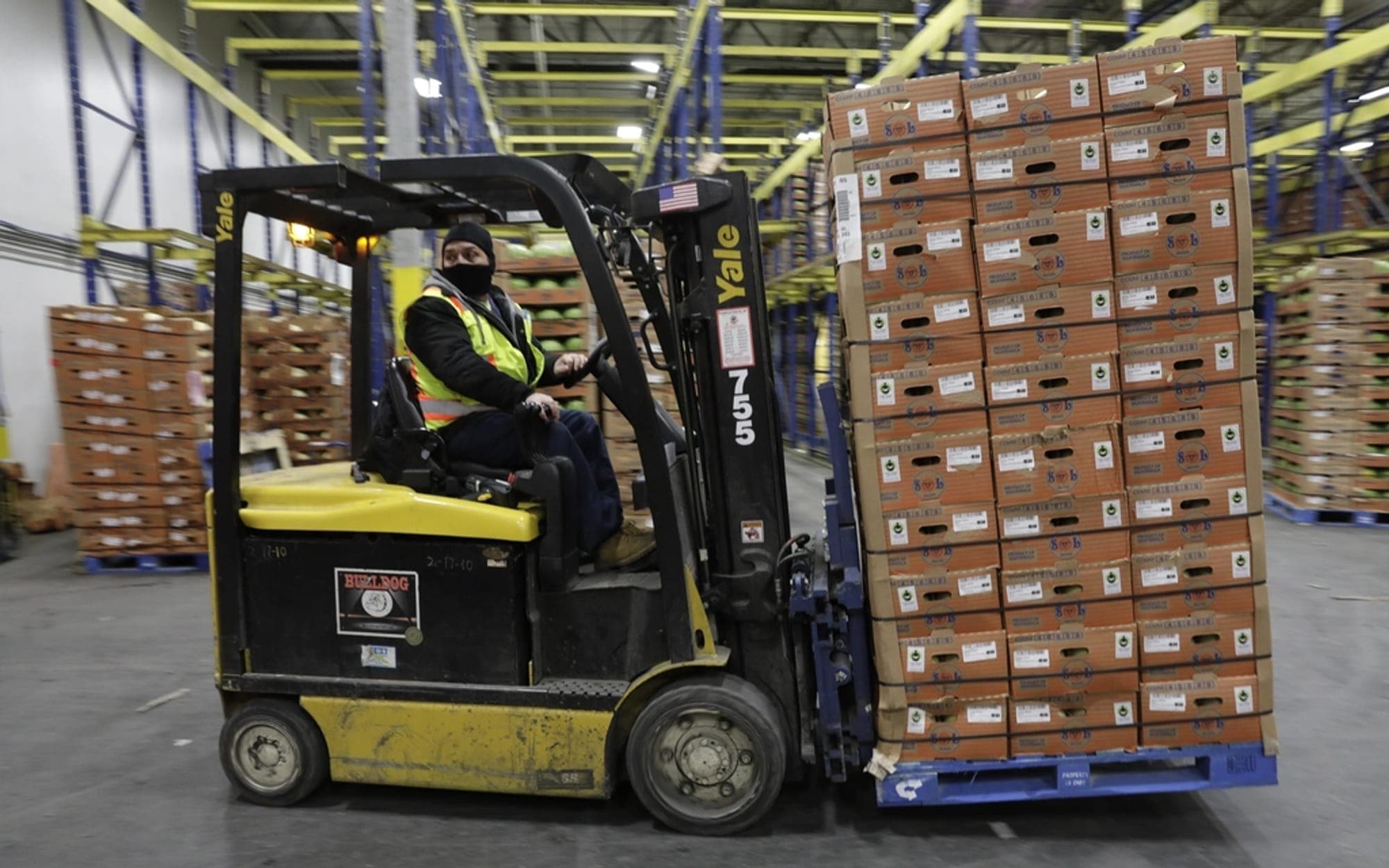
  • Pallets of packed produce ready for distribution
    Cooperation model

    Multi-product distribution

    Distribution

    Several agricultural product lines consolidated into one delivery schedule, one set of documentation and one commercial relationship.

    One supplier and one schedule in place of several.

Our approach

How a partnership usually starts

Almost always with something small. A trial consignment tells you more about a supplier than any document does — how the specification was agreed, what arrived, and what happened when something needed sorting out.

  • Start with a trial consignment rather than a programme.
  • Agree the specification and acceptance criteria in writing first.
  • Review what arrived against that document, honestly, both ways.
  • Scale up only once the first two have gone the way both sides expected.

Capability

Where this work comes from

Each way of working draws on our business areas. The full six are on the business areas page.

  • Green vegetable fields laid out in cultivated plots

    Agricultural production

    Agricultural products grown and prepared to an agreed standard.

    Production of agricultural products to a written specification, from cultivation through to the graded, packed consignment that leaves our hands.

    Read more
  • Young seedlings growing in cultivated rows

    Cultivation

    Growing done with the end specification in mind.

    Cultivation and orchard management carried out with the buyer requirement decided first — because grade, size and condition are determined long before harvest.

    Read more
  • Fruit being washed and sorted after harvest

    Post-harvest handling

    Condition protected between harvest and delivery.

    Receiving, sorting, grading, packing and storage — the stage where the quality achieved in the field is either preserved or quietly lost.

    Read more

Next step

Tell us what you need supplied

Whether that is a single consignment or a season-long programme, the conversation starts the same way — with the product, the grade and the window you need it in.

We reply to every enquiry within one working day.