

Quality4 min read
What we check before a consignment leaves us
A specification is only worth writing if something is checked against it. What we inspect, when, and what is recorded.
Read articleWe reply to every enquiry within one working day.

By the time fruit reaches sorting, most of its quality is already decided. What that means for how a growing programme is planned.
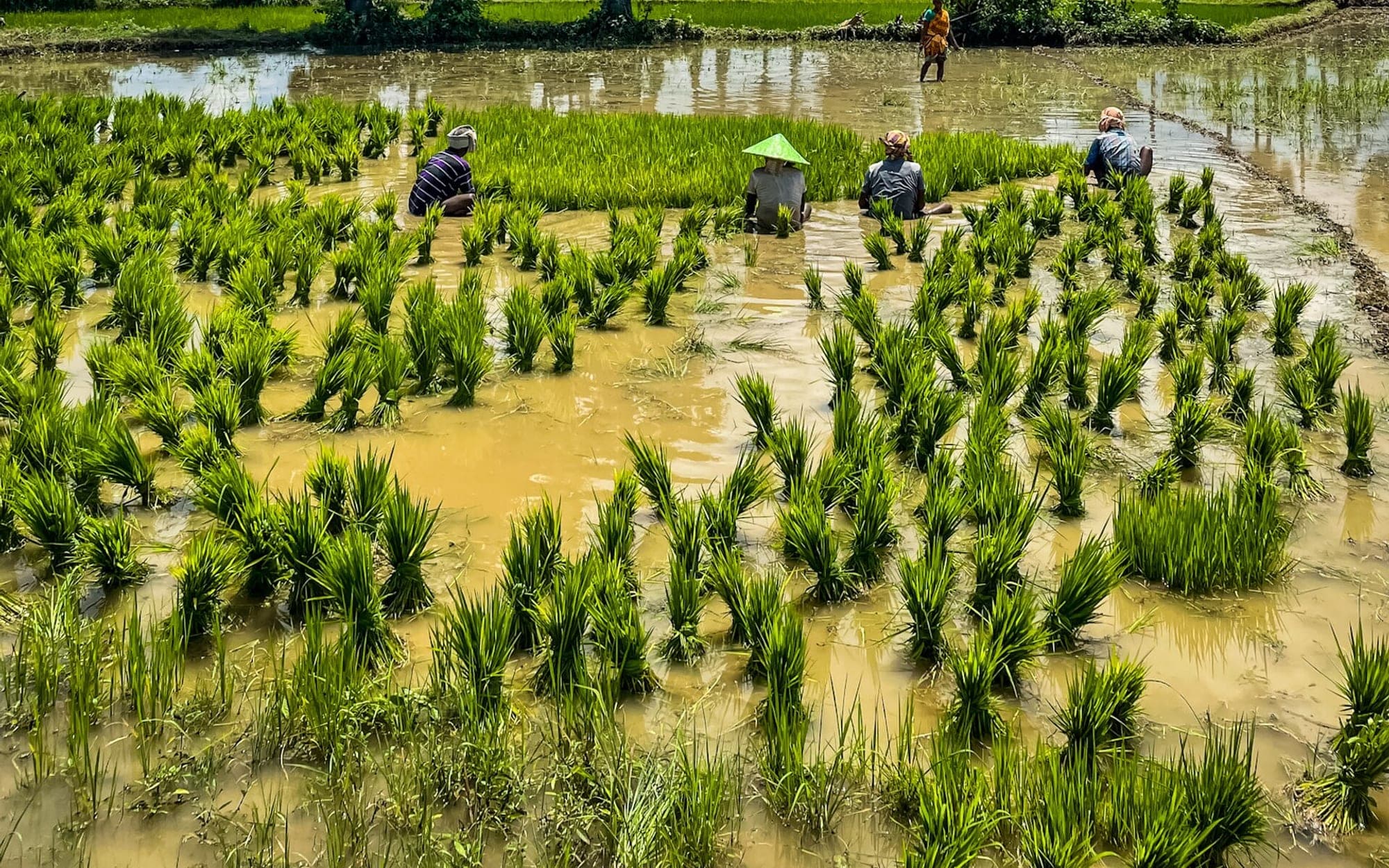
It is tempting to think of quality as something that happens at the end — a sorting table, a grading line, someone deciding what goes in the box. In agricultural supply that view is expensive. By the time a consignment reaches grading, almost everything that determines its grade has already happened, and sorting can only decide what to do about it.
Harvest timing is the one buyers most often leave to the supplier, and the one that most often causes a dispute. Fruit picked for a two-day journey is not fruit picked for a two-week one. If the destination is agreed before harvest rather than after, the argument does not happen.
When an enquiry arrives, our first questions are usually about where the product is going and how it will be sold, rather than about volume. It sounds like a commercial question. It is a technical one: the answer changes what we select, when we pick it and how we pack it.
Sorting can decide what to do about quality. It cannot create it.
A specification is only worth writing if something is checked against it. What we inspect, when, and what is recorded.
Read article
Sustainability is easy to claim and hard to evidence. The parts of it we can act on directly, and how we treat the rest.
Read article
Buying agricultural product at the last minute is the most expensive way to buy it. What planning a season ahead actually involves.
Read articleNext step
If something here is relevant to what you are buying, the fastest route is to describe your case rather than read three more articles.
We reply to every enquiry within one working day.