
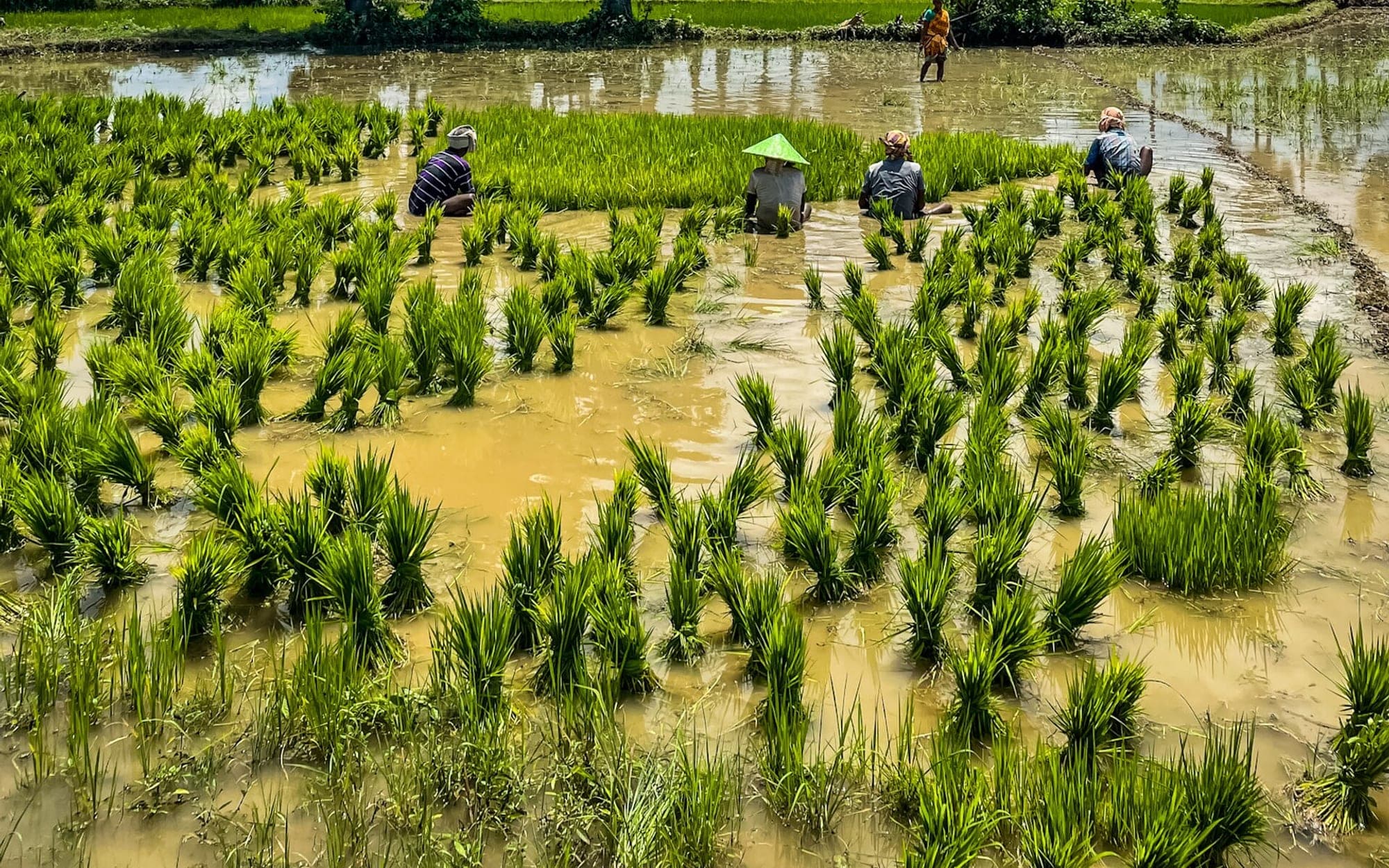
Cultivation4 min read
Quality starts in the orchard, not at the packhouse
By the time fruit reaches sorting, most of its quality is already decided. What that means for how a growing programme is planned.
Read articleWe reply to every enquiry within one working day.

Sustainability is easy to claim and hard to evidence. The parts of it we can act on directly, and how we treat the rest.
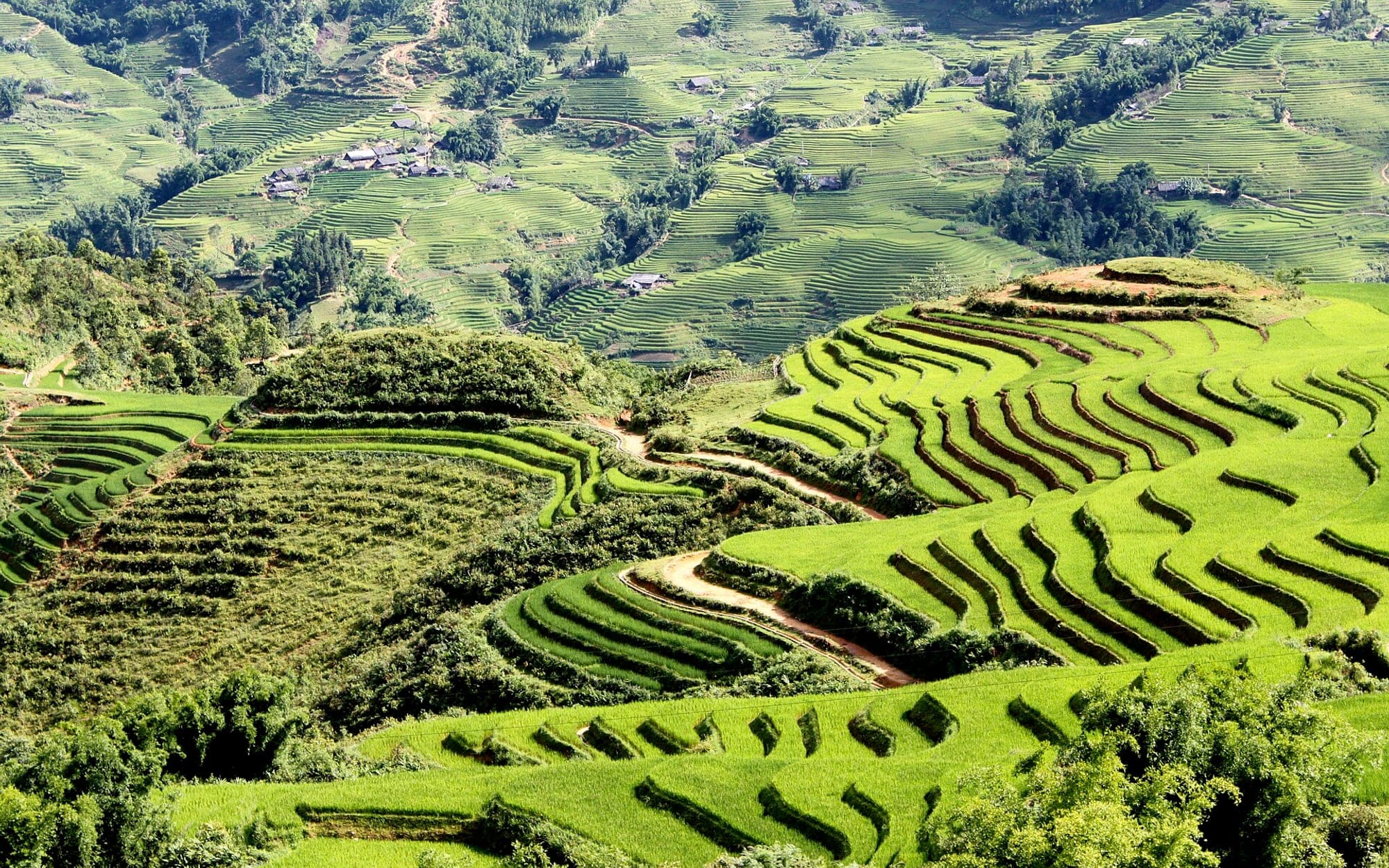
Almost every agricultural website has a sustainability section, and most of them are written in a way that cannot be checked. We would rather describe the parts we can act on directly and be quiet about the parts we cannot yet evidence.
The third of those is the least discussed and often the largest. Product lost between harvest and delivery is waste that has already consumed a full season of land, water and labour. Reducing it is both the cheapest environmental improvement available to an agricultural business and the one that pays for itself.
We are not publishing environmental figures we are not yet measuring, and we are not going to describe an aspiration in a way that reads as an achievement. When a practice is established and measured, it will be described here with what is actually being measured.
By the time fruit reaches sorting, most of its quality is already decided. What that means for how a growing programme is planned.
Read article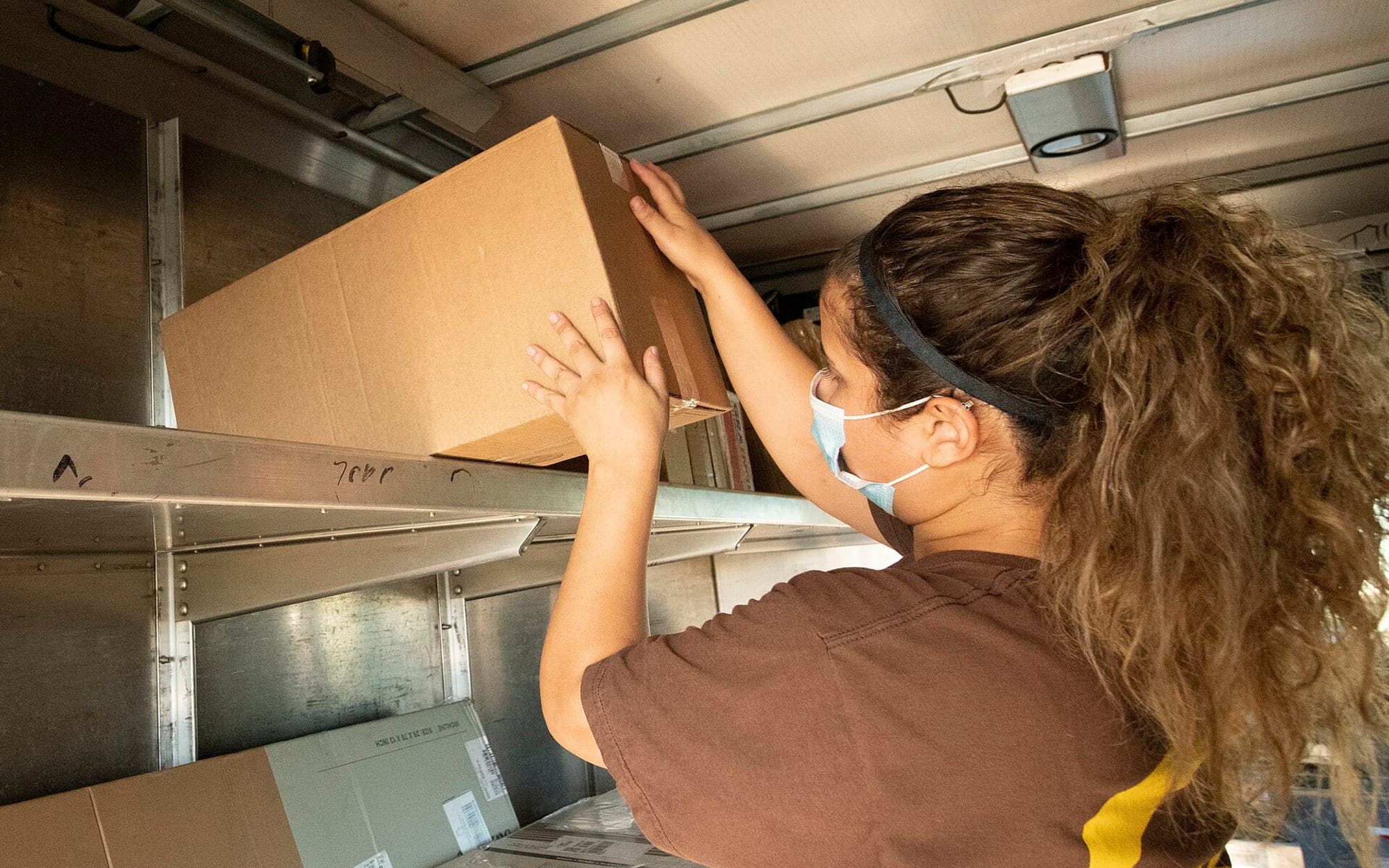
A specification is only worth writing if something is checked against it. What we inspect, when, and what is recorded.
Read article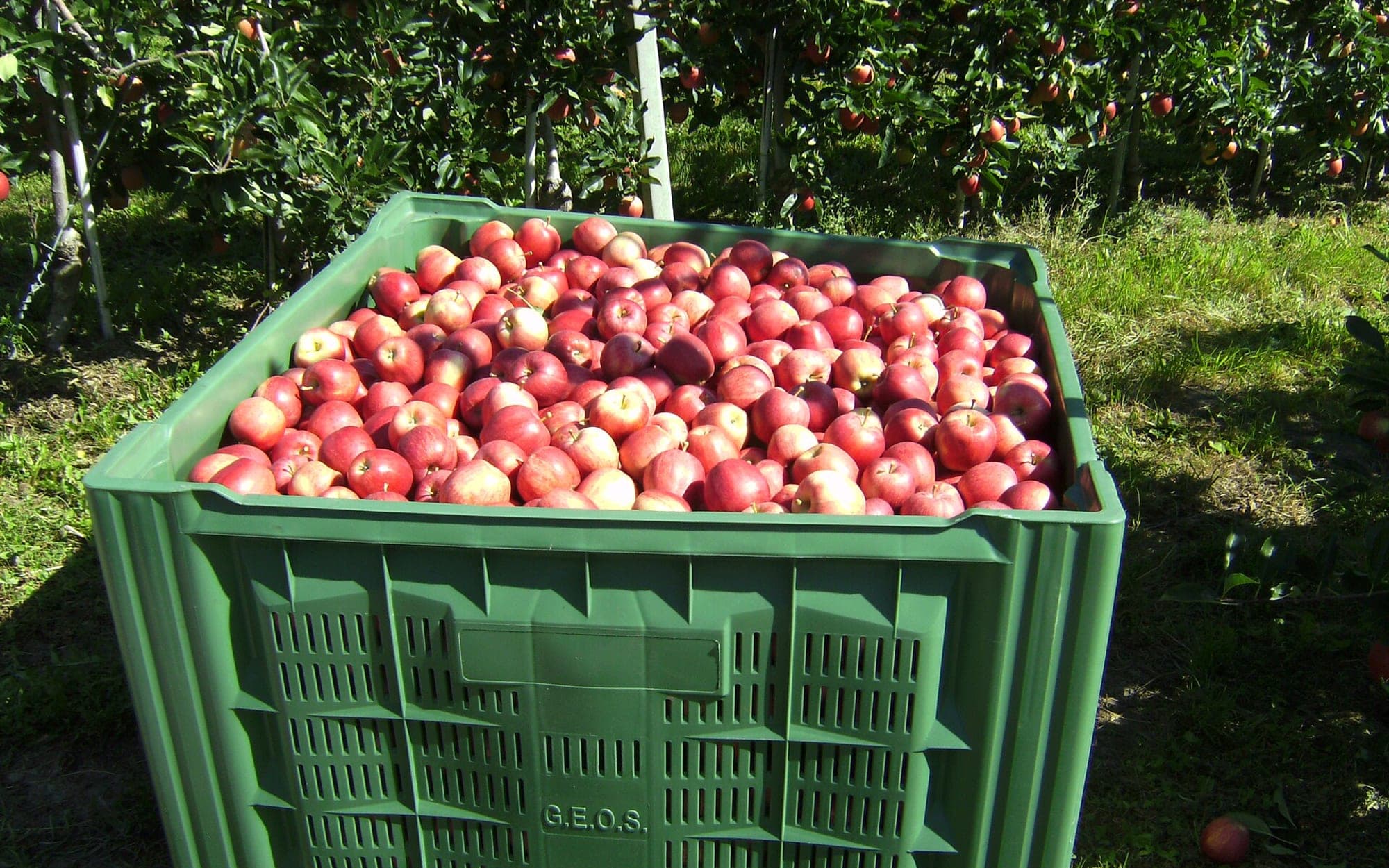
Buying agricultural product at the last minute is the most expensive way to buy it. What planning a season ahead actually involves.
Read articleNext step
If something here is relevant to what you are buying, the fastest route is to describe your case rather than read three more articles.
We reply to every enquiry within one working day.