
Operations4 min read
How we build a quotation, and why it is itemised
A lump-sum price hides the decisions that drive it. Here is what goes into ours and what you can push back on.
Read articleThứ Hai đến Thứ Bảy, 08:00 – 17:00 (GMT+7)

Giao diện đã có tiếng Việt; nội dung trang đang được hoàn thiện. Bản dịch nội dung sẽ được cập nhật sau khi được duyệt. (Interface translated; page content is pending approval.)
Holding stock for a customer is easy to offer and easy to get wrong. How we set replenishment points that are worth agreeing to.
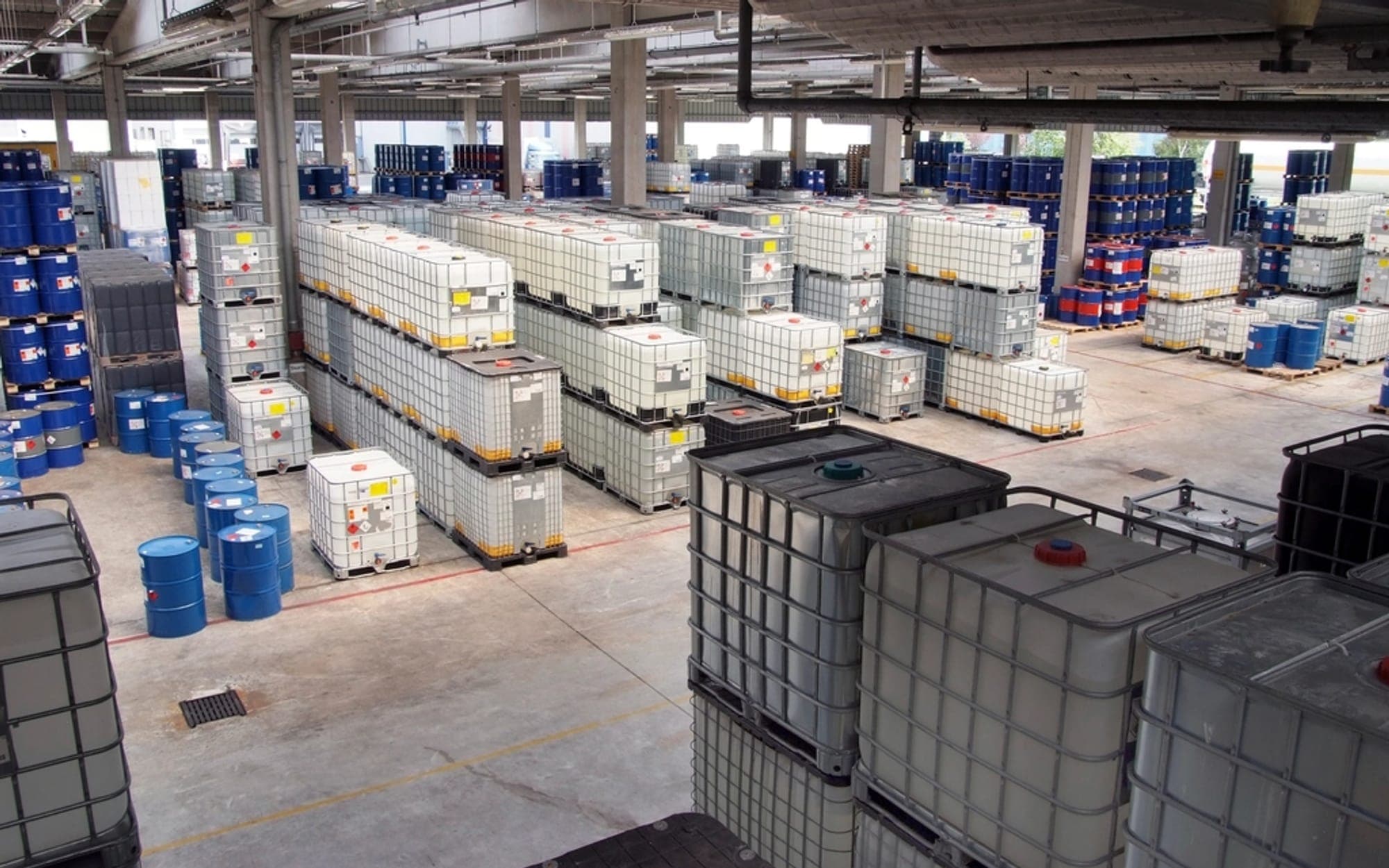
A supplier offering to "hold stock for you" is offering to take on your forecasting risk. That is a real service when it is set up properly, and an expensive disappointment when it is not — usually because nobody agreed what happens when the forecast is wrong.
The fourth point is the one most often skipped and the one that causes the argument. Obsolete stock has to belong to someone; deciding that at the start costs a conversation, and deciding it afterwards costs a relationship.
We would rather start a stocking programme narrow — a handful of lines with clear consumption — and widen it once the numbers are real, than commit to a warehouse full of assumptions.
A lump-sum price hides the decisions that drive it. Here is what goes into ours and what you can push back on.
Read article
A signature on a sheet is not quality control. What a useful inspection record contains, and what we issue with every batch.
Read article
The phrase is on every industrial website. Here is the version of it we are prepared to be held to.
Read articleNext step
If something here is relevant to what you are buying, the fastest route is to describe your case rather than read three more articles.
We reply to every enquiry within one working day.